



best car warranty insights for a practical, low-pressure comparison

We've tested warranties in daily life and sifted through claim data, policy samples, and service manager notes. The "best" shifts with how you drive, where you service, and how long you keep the car. Short commutes and new vehicles need different protection than high-mileage turbo hatches or aging hybrids.

What "best" really covers

Strong coverage means more than a long term. It's breadth, clarity, and claim behavior under stress. We look for exclusionary plans with tight definitions, fair labor caps, and parts parity.

Coverage depth checkpoints

  • Scope: Exclusionary vs. named component. Exclusionary typically covers more, but read the carve-outs.
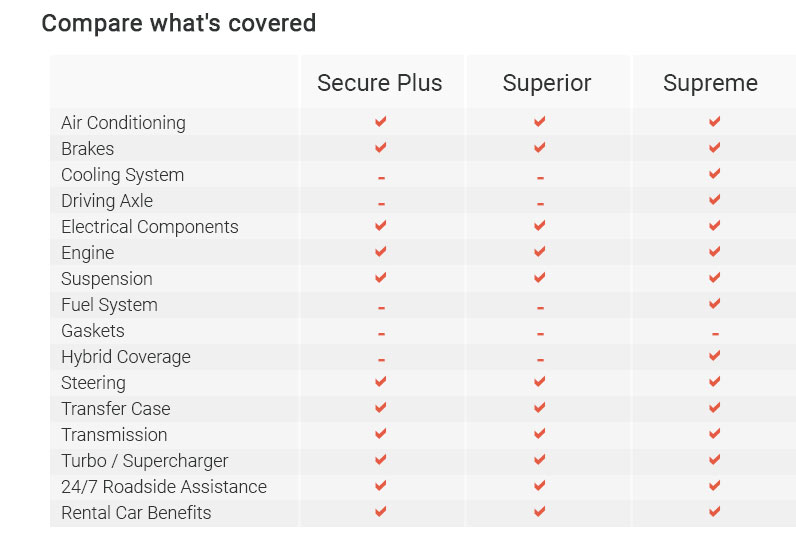
  • Electronics and ADAS: Sensors, cameras, modules, and wiring harnesses can be the real budget breakers.
  • Powertrain nuance: Seals/gaskets, turbos, CVT units, and AWD couplers often sit in the fine print.
  • Diagnosis coverage and fluids after failure are quiet differentiators.
  • Rental, roadside, and trip interruption - useful on longer commutes or road trips.

Cost versus risk

Price isn't just the sticker. Deductibles (per visit vs. per repair), labor rate caps, and parts requirements (OEM or equivalent) move real costs. A $100 deductible with a generous labor cap can beat a zero-deductible plan with a low cap at urban shop rates.

Where the warranty comes from

  • Manufacturer (OEM) extensions: Cleaner integration and broad shop acceptance; sometimes pricier, usually smoother claims.
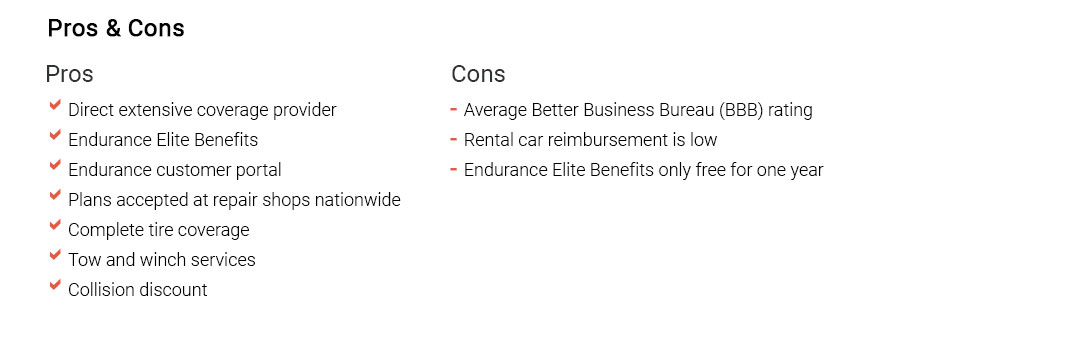
  • Third-party administrators: Wider plan variety and payment flexibility; vet financial strength, claims portal speed, and shop choice.
  • CPO add-ons: Good baseline powertrain plus affordable upgrades; watch for mileage ceilings and dealer-only service rules.

Research signals that matter

  • Written sample contract, not a brochure. Look for definitions of "wear," "pre-existing," and "overheating."
  • Average claim approval time and availability of direct pay to the shop.
  • Shop choice: any ASE shop vs. network only; mobile diagnostics allowed?
  • Transferability, cancellation windows, and refunds pro-rata vs. short-rate.
  • State compliance and complaint patterns; consistent policy forms across regions.

A small real-world moment

Last winter we were 90 miles past Flagstaff when a water pump let go. One call, tow authorized in 7 minutes, hotel covered, repair approved next morning. The plan wasn't cheapest, but the labor cap matched the shop's rate - no awkward haggling at the counter.

Quick comparison flow

  1. Match term and mileage to how long you'll keep the car plus a buffer.
  2. Get two contracts side-by-side; highlight exclusions, labor caps, and diagnostics clauses.
  3. Call a shop you'd actually use and ask what they prefer and how they bill warranties.
  4. Request a claim sample (redacted) from each provider.
  5. Compute total cost with deductible assumptions across 2 - 3 likely repairs.
  6. Check transfer rules if you sell early; value to the next owner can offset cost.
  7. Confirm pre-authorization steps so you don't stall repairs.

If you drive an EV or tech-heavy car

  • Coverage for inverter, onboard charger, DC-DC converter, thermal management, and battery pack ancillaries (coolant plates, contactors).
  • ADAS calibration reimbursement after windshield or front-end repairs.
  • Labor rate reality: dealers often required for high-voltage; caps must align.

Small clauses with big impact

  • Betterment: Partial cost share on high-mileage replacements.
  • Maintenance records: keep digital copies; missing entries sink claims.
  • "Overheating" language: some deny if the temp light came on; others allow partial coverage.
  • Wear-and-tear definitions - some allow reasonable wear causing failure; others exclude broadly.

Experience-based scenarios

  • New car, under factory bumper-to-bumper: Wait until month 30 - 34, then compare OEM vs. top-tier third-party; you'll know your repair history by then.
  • High-mileage daily: Favor plans with strong cooling, electrical, and AC coverage; higher deductible, better labor cap.
  • Road-trip families: Prioritize roadside, rentals, trip interruption, and nationwide direct pay.
  • Keepers (8 - 10 years): Transferable plans help resale even if you never claim.

We don't see a single champion every time; the best car warranty is the one whose contract terms align with your risk profile, shop ecosystem, and budget. We keep refining comparisons as claim patterns shift and labor rates climb, and the picture continues to sharpen.

https://www.quora.com/I-need-a-car-warranty-What-are-some-good-ones
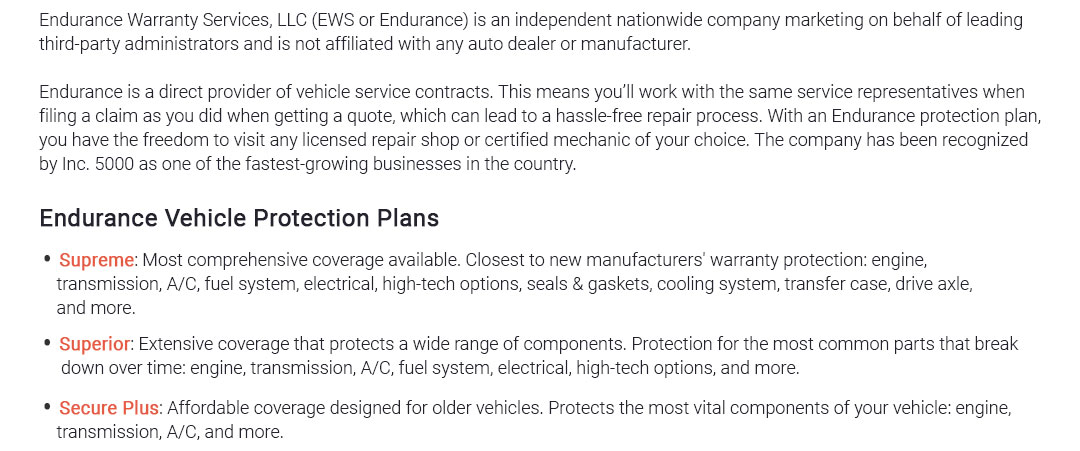
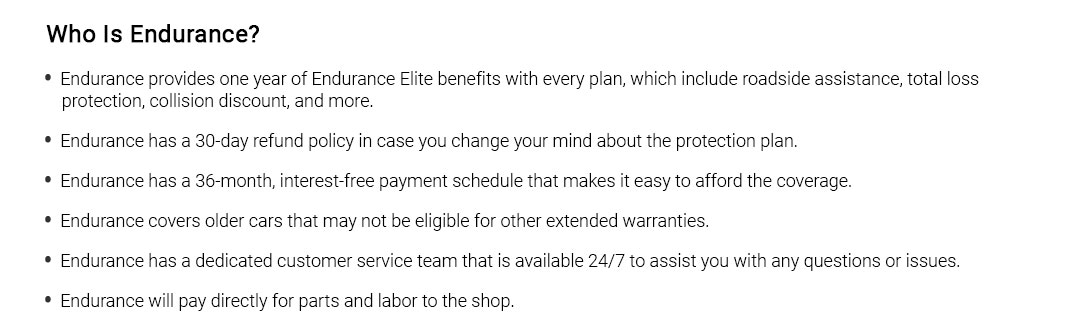
1. Endurance: Endurance offers comprehensive coverage plans that cater to various budgets and vehicle needs. - 2. CarShield: CarShield is known ...

https://www.marketwatch.com/insurance-services/car-warranty/aftermarket-car-warranty/
Best Aftermarket Car Warranty Providers - Endurance: Best Comprehensive Coverage - Carchex: Best Industry Reputation - CarShield.

https://cars.usnews.com/cars-trucks/advice/used-car-warranty
A new car warranty protects the car's owner if defects in ... car programs with the best coverage and benefits. CPO vs. Extended ...


atwratnwm
4.9 stars -1927 reviews